06 — Insights

Blog & Insights

Thoughts, tutorials, and deep-dives into the world of enterprise AI.

AI Content Provenance Readiness: A Practical 2026 Playbook for Watermarking, C2PA, and Transparency
Security & Privacy
Oct 6, 2026

AI Content Provenance Readiness: A Practical 2026 Playbook for Watermarking, C2PA, and Transparency

AI content provenance is no longer a single tooling choice. This playbook explains how to combine watermarking, C2PA Content Credentials, disclosure labels, retention, review, and live publishing checks into a practical readiness workflow for 2026.

10 min readRead More →
Vercel AI Gateway: A Production Playbook for Routing, Observability, Budgets, and Provider Control
Cloud & Infrastructure
Oct 5, 2026

Vercel AI Gateway: A Production Playbook for Routing, Observability, Budgets, and Provider Control

Vercel AI Gateway can give AI product teams a control layer for model access, routing, observability, budgets, and provider policy. This playbook explains when that layer helps, what to test before migration, and where direct provider integrations may still be the better fit.

10 min readRead More →
Playwright accessibility testing with axe: UI states
Design & UI/UX
Oct 5, 2026

Playwright accessibility testing with axe: UI states

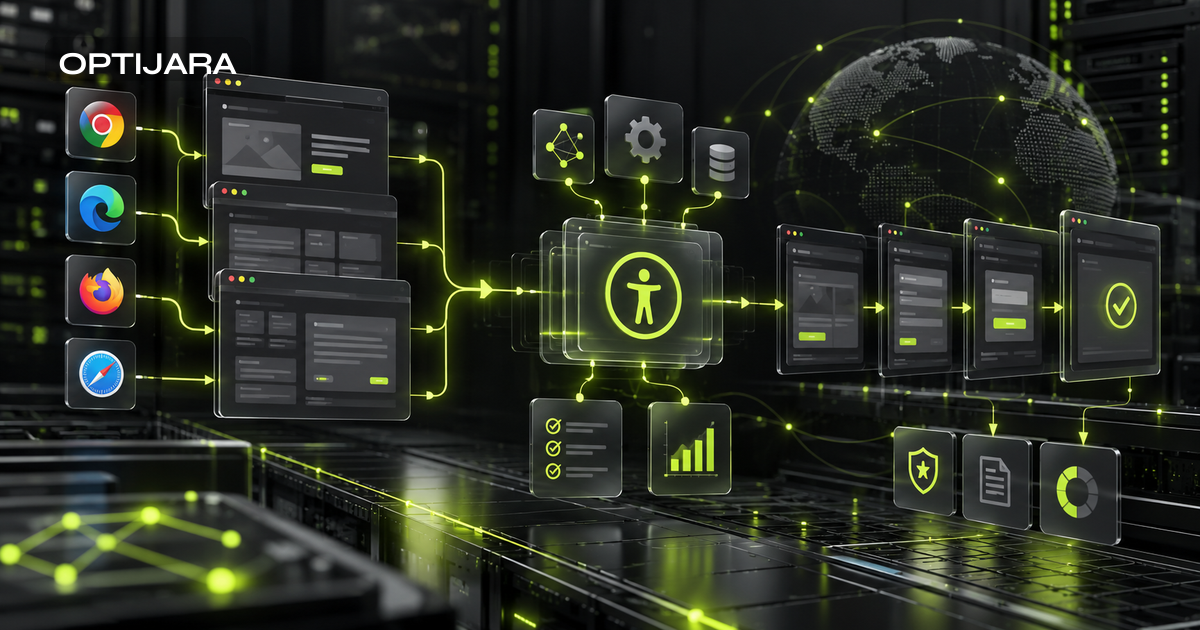
Test dialogs, validation and navigation with Playwright and axe. Includes runnable examples, focus checks, CI guidance and coverage limits.

12 min readRead More →
Passkey Rollout Playbook: WebAuthn Autofill, Recovery, and Adoption Without Breaking Sign-In
Security & Privacy
Oct 5, 2026

Passkey Rollout Playbook: WebAuthn Autofill, Recovery, and Adoption Without Breaking Sign-In

Passkeys are not just a WebAuthn feature launch. This playbook shows how product, security, and engineering teams can design autofill, recovery, account management, rollout phases, and measurement before reducing password dependency.

10 min readRead More →
Durable AI Agents: A Runtime Selection Checklist for Production Workflows in 2026
Backend & Architecture
Oct 4, 2026

Durable AI Agents: A Runtime Selection Checklist for Production Workflows in 2026

Durable AI agents are not just better prompts attached to stronger models. They are runtime decisions about state, retries, approvals, tool permissions, recovery, and observability across workflows that may outlive a single request.

10 min readRead More →
OpenTelemetry GenAI Tracing: A Practical Playbook for LLM and Agent Observability
DevOps & Dev Workflows
Oct 4, 2026

OpenTelemetry GenAI Tracing: A Practical Playbook for LLM and Agent Observability

OpenTelemetry GenAI tracing gives engineering teams a practical way to inspect LLM and agent workflows beyond ordinary service logs. This playbook explains what to instrument, what to redact, how to connect traces to evaluations, and how to start without creating noisy or risky telemetry.

10 min readRead More →
uv Build and Publish Checklist: When the uv Backend Is Enough, and When It Is Not
Tutorials & How-Tos
Oct 3, 2026

uv Build and Publish Checklist: When the uv Backend Is Enough, and When It Is Not

uv can simplify Python package builds and publishing, but it does not remove the need to prove that your wheel or source distribution works outside your local workspace. This checklist helps maintainers decide when the uv build backend is enough, when another backend is required, and how to verify artifacts before publishing.

10 min readRead More →
Docling PDF RAG: Chunk Tables Without Losing Their Source
Tutorials & How-Tos
Oct 3, 2026

Docling PDF RAG: Chunk Tables Without Losing Their Source

A table value is useful only when its headers, units and conditions survive retrieval. This Docling walkthrough shows how to inspect table serialization, budget contextualized embedding text and retain source references without promising exact cell citations.

10 min readRead More →
Basis Conversations 1500: A Same-Clock Map for Turn-Taking Evaluation
AI Tools & Tricks
Sep 27, 2026

Basis Conversations 1500: A Same-Clock Map for Turn-Taking Evaluation

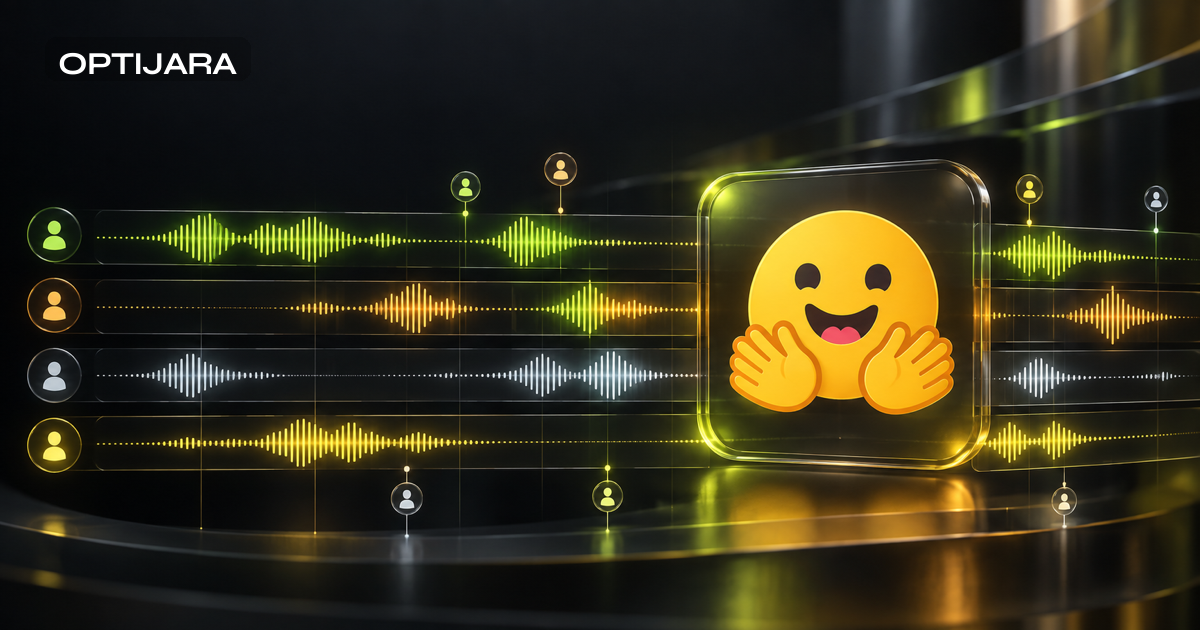
Basis Conversations 1500 is useful for turn-taking evaluation because it keeps participant audio on a shared clock and separates transcripts, machine labels, human moments, and votes. This walkthrough shows how to build leakage-aware evaluation windows without treating noisy ASR, provisional labels, or unreviewed overlaps as gold.

10 min readRead More →

Stay Updated

Get the latest insights on AI implementation and MENA tech trends.